

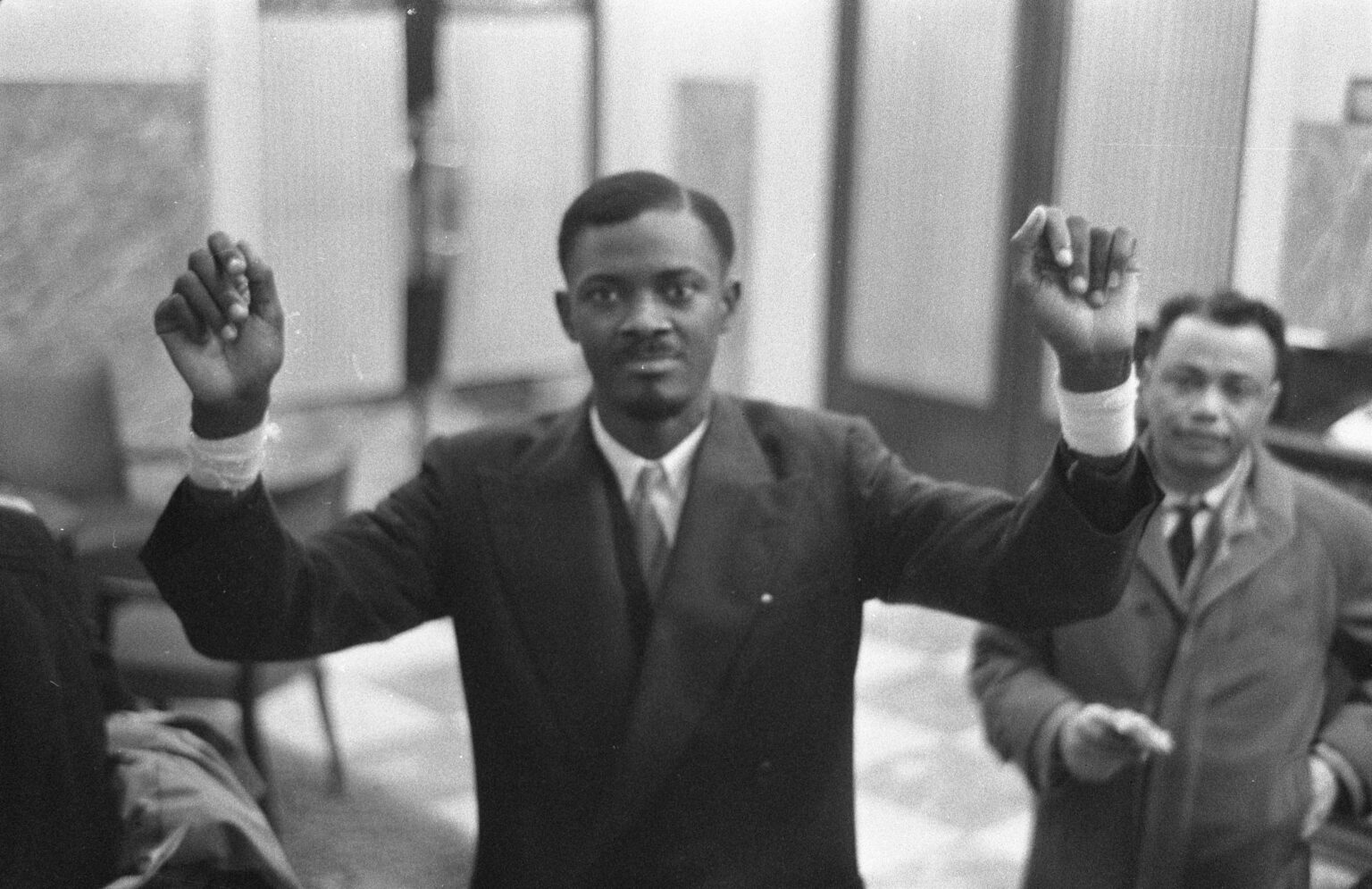
A 65 Year Emotional Tribune to Patrice Lumumba.
Introduction
Patrice Lumumba remains an unextinguished flame in the global struggle for genuine self determination. His legacy endures 65 years after his brutal execution.
He stands as a monumental figure, a visionary leader whose principles threatened the established neocolonial world order.
Crucially, Lumumba’s fight was not merely for political independence. He sought total economic and psychological liberation for the Congo and all of Africa.
His brief 75 day tenure as Prime Minister of the Democratic Republic of the Congo illuminates a dark chapter of Cold War interference and corporate greed.
This exhaustive guide offers a deep analysis of Lumumba’s life, his transformative impact, the circumstances of his martyrdom, and his continuing relevance in the modern era.
We explore the powerful political and historical context that made him a martyr for pan African ideals.
The Rapid Ascent: From Postal Clerk to Prime Minister
Patrice Emery Lumumba was born on July 2, 1925, in Onalua, Kasai province, Belgian Congo. He came from the Tetela ethnic group, a significant branch of the Mongo people. His early life involved rigorous education at Protestant and Catholic mission schools.
Furthermore, he worked as a postal clerk and traveling salesman. This early career allowed him to travel widely. Specifically, he cultivated a unique, national perspective that transcended local tribal divisions. This background was unusual for an African politician of his time.
He was a committed intellectual, reading extensively about philosophy and politics. Eventually, Lumumba became involved with various European socialist and liberal groups.
He joined the Liberal Party in Belgium while working there in the 1950s.
The Birth of the Congolese National Movement (MNC)
Lumumba recognized the urgent need for a unified political vehicle. Therefore, he founded the Mouvement National Congolais (MNC) in 1958. This organization immediately distinguished itself.
The MNC rejected ethnic federalism. It instead demanded a strong, centralized, and unitary Congolese state. This stance was radical.
It directly challenged the colonial divide and rule strategy. Importantly, the MNC quickly became the largest and most influential political party in the Congo.
Lumumba transformed into a charismatic orator and national symbol.
He was a champion of the common Congolese person. Furthermore, he articulated a clear, cohesive vision for a truly independent nation.
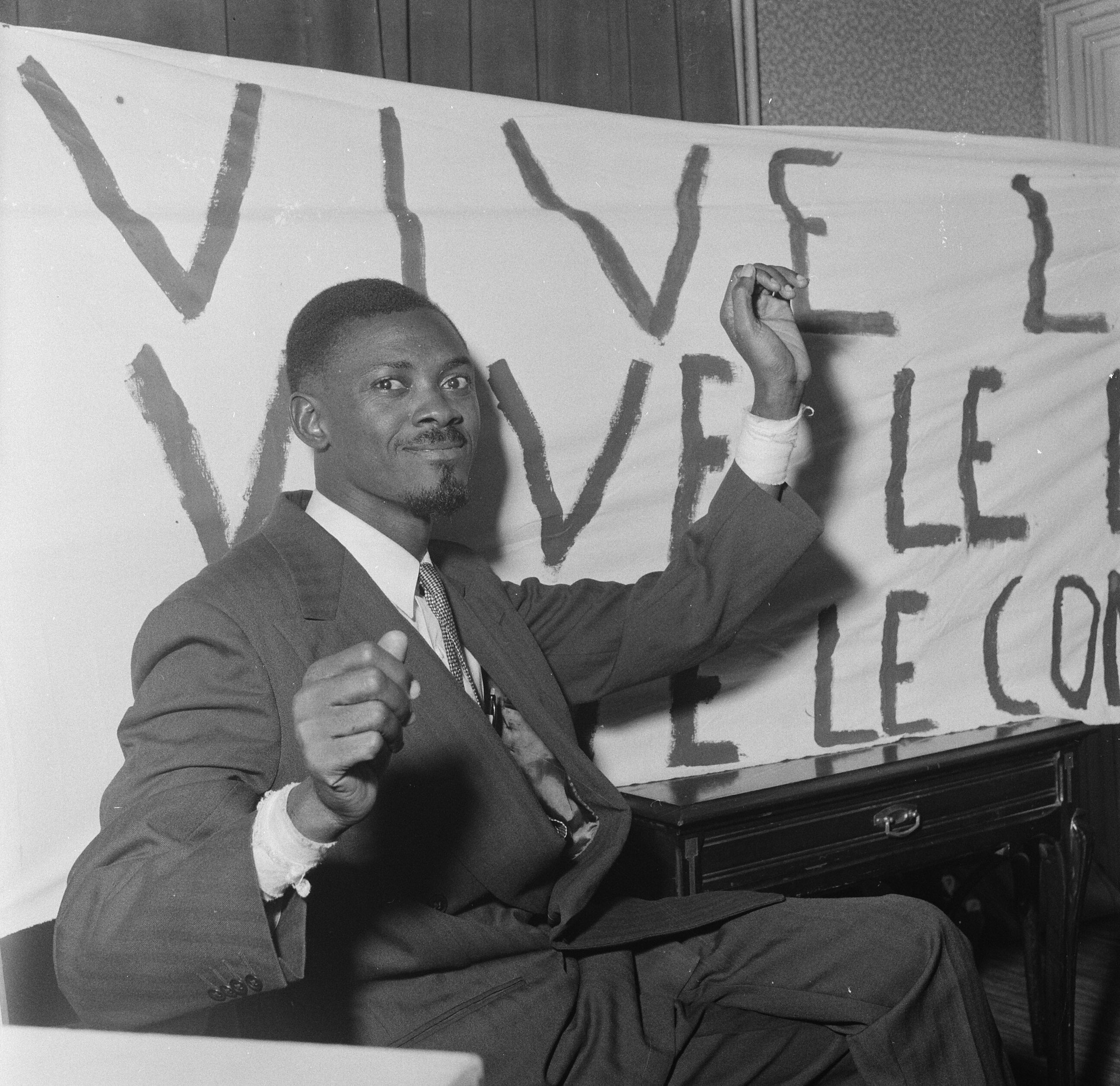
The Fire of Independence: The 1960 Speech
Belgian authorities eventually bowed to immense international pressure. They convened the Round Table Conference in Brussels in January 1960. Lumumba attended this pivotal conference.
His political influence ensured that the fixed date for independence was June 30, 1960. Following nationwide elections, the MNC won a plurality of seats.
Lumumba became the first democratically elected Prime Minister of the newly independent Republic of the Congo.
A Defiant Address to Power
The official independence ceremony was a moment of profound hope. King Baudouin of Belgium gave a patronizing speech. He praised his predecessor, King Leopold II, and minimized the brutality of colonial rule.
Lumumba then unexpectedly seized the microphone.
He delivered a searing, unscheduled address. It remains one of the most powerful anticolonial statements of the 20th century. He spoke truth to absolute power.
He immediately shattered the carefully orchestrated mood of postcolonial reconciliation.
“We have known ironies, insults, and blows which we had to undergo morning, noon and night,” he declared. He described the terrible suffering of forced labor, forced payment, and political discrimination.
His words instantly resonated with the oppressed masses across the continent.
Furthermore, he articulated the new nation’s guiding philosophy. “We will show the world what the black man can do when he works in liberty.”
This defiant stance made him an instant hero to pan Africanists everywhere. Crucially, it also cemented his status as a dangerous enemy in Western capitals.
His message was clear. Independence was a break, not a compromise.
The Ten Week Crisis: Lumumba’s Economic Vision
Lumumba’s time in office lasted a mere ten weeks. The new government faced immediate, near insurmountable crises. Just days after independence, the army mutinied.
Simultaneously, two resource rich provinces, Katanga and South Kasai, attempted to secede. Foreign interests vigorously supported both secession movements.
The Katanga province contained enormous mineral wealth. It held some of the world’s largest deposits of copper, cobalt, and uranium.
The newly independent Congolese government needed this wealth to fund its ambitious state led economic development.
However, Western companies and their allied local politicians wanted to maintain control of these resources.
A Stand Against Neocolonialism
The core of the conflict was economic sovereignty. Lumumba’s administration advocated for complete Africanisation of the government.
He also demanded state control over natural resources. Specifically, he sought to use Congo’s massive mineral wealth to benefit the Congolese people.
This goal threatened the massive financial interests of Belgian, British, and American corporations. They had long enjoyed unfettered access to the wealth of the Congo.
Lumumba sought international assistance to quell the secession. He first appealed to the United Nations.
When the UN forces proved unwilling to aggressively support the central government against the Western backed secessionists, Lumumba turned elsewhere.
This search for alternative support immediately played into the growing Cold War conflict. The West incorrectly labeled Lumumba a communist.
This strategic mischaracterization became his death warrant.

The Cold War and the Conspiracy of Execution
Patrice Lumumba’s assassination on January 17, 1961, was not a domestic tragedy alone. It was Africa’s first major proxy war assassination. It involved a transnational conspiracy of foreign governments.
Lumumba’s rejection of Cold War alignment created suspicion in Washington and Brussels.
His commitment to nationalizing mineral resources provoked outright hostility.
The International Web of Involvement
Historical investigations, subsequent books, and declassified documents have confirmed foreign involvement. Key global powers sought to neutralize the charismatic leader.
The United States government, under President Dwight Eisenhower, authorized the CIA to attempt his elimination.
The United Kingdom’s MI6 also played a confirmed role in the conspiracy against the Prime Minister. However, Belgian officials took the most active part in his demise. They were deeply invested in maintaining control over Katanga’s mining operations.
Belgian military and political figures assisted Lumumba’s rivals. They organized his transfer to the secessionist Katanga province. Furthermore, Belgian officers directly supervised the firing squad that executed Lumumba, alongside his associates Joseph Okito and Maurice Mpolo.
The act was carried out with chilling efficiency. The executioners then dissolved the bodies in acid. This attempt was an effort to permanently erase any physical evidence of the murder.
The United Nations also faced severe criticism. Dag Hammarskjöld, the UN Secretary General, refused to use UN forces to protect Lumumba. The UN instead barred Lumumba from using radio facilities.
They prevented him from mobilizing national support. These actions contributed significantly to his political isolation and subsequent capture.
A Martyr’s Transformation: Stronger in Death Than Alive
News of Lumumba’s death was confirmed in February 1961. It sent shockwaves across the newly decolonizing world. Protest erupted in Cairo, London, and New York. African and Asian nations were horrified by the blatant neocolonialist intervention.
Many saw his murder as an “international tragedy.” Kwame Nkrumah, the President of Ghana, eloquently condemned the crime. He directly accused the architects of the conspiracy.
Lumumba immediately transformed into a political martyr. His death galvanized the pan African movement. It confirmed the extreme lengths to which colonial powers would go to prevent true African economic liberation.
A global saying emerged: Lumumba became “stronger in death than alive.” His image symbolized the price of defiance against imperialism. This status ensured his lasting influence.
His name inspired revolutionary movements throughout the decade. Indeed, his brief life became a rallying cry for universal freedom.

The Reckoning: 65 Years of Legacy and The Return of a Tooth
Today, 65 years later, Patrice Lumumba’s legacy is undergoing a long overdue, formal reckoning. Belgium admitted its “moral responsibility” for the assassination in 2002.
This official acknowledgment began a long process of symbolic redress. Monuments have been erected in the Democratic Republic of the Congo.
Institutions bear his name, including the Patrice Lumumba People’s Friendship University of Russia (renamed in 1992). He has become a unifying figure for Congolese identity and pride.
The Symbolic Return of a Fragment
The most profound symbolic act of recent years was the return of his remains. However, the remains were not a body. A Belgian police commissioner had supervised the disposal of the bodies in 1961.
He kept a gold capped tooth as a grisly trophy. This tooth was the only recovered fragment of Lumumba’s physical being.
In 2022, Belgian authorities formally returned the tooth to the Lumumba family. This act was one of immense political and moral significance. The ceremony gave his family a measure of closure.
Furthermore, it forced Belgium to confront its dark colonial history in a highly public manner.
The repatriation represented a symbolic burial for the nation. It acknowledged the moral decay inherent in the colonial project. The tooth became a symbol of historical truth and restorative justice.
Patrice Lumumba’s Enduring Relevance
The issues Patrice Lumumba championed remain central to contemporary African politics. The struggle for resource sovereignty persists.
Many African nations still fight to capture the full value of their natural wealth. The current geopolitical landscape mirrors the Cold War era in some ways.
Global powers compete for influence and resources. Lumumba’s vision of unity, nonalignment, and economic nationalism offers a clear template for African leaders today.
His emphasis on a unified state remains crucial for stability and collective bargaining power.
His principles advocate for African solutions to African problems. Specifically, his call for African independence meant liberation from all external masters, whether former colonizers or new ideological partners.
His fight for a unified Congolese state is particularly relevant. The Congo continues to grapple with instability and conflicts. These issues are frequently fueled by external actors seeking control over mineral rich regions.
Lumumba’s vision stands as an unfulfilled promise of national potential. He represents the possibility of a Congo that uses its vast wealth to secure the prosperity of its citizens. The tribune to Patrice Lumumba is not simply an act of historical remembrance.
It is a commitment to the realization of his revolutionary dream. This dream is one of a truly free, self determining, and prosperous African continent. History has indeed had its say. Lumumba’s name is now synonymous with the unyielding spirit of African liberation.