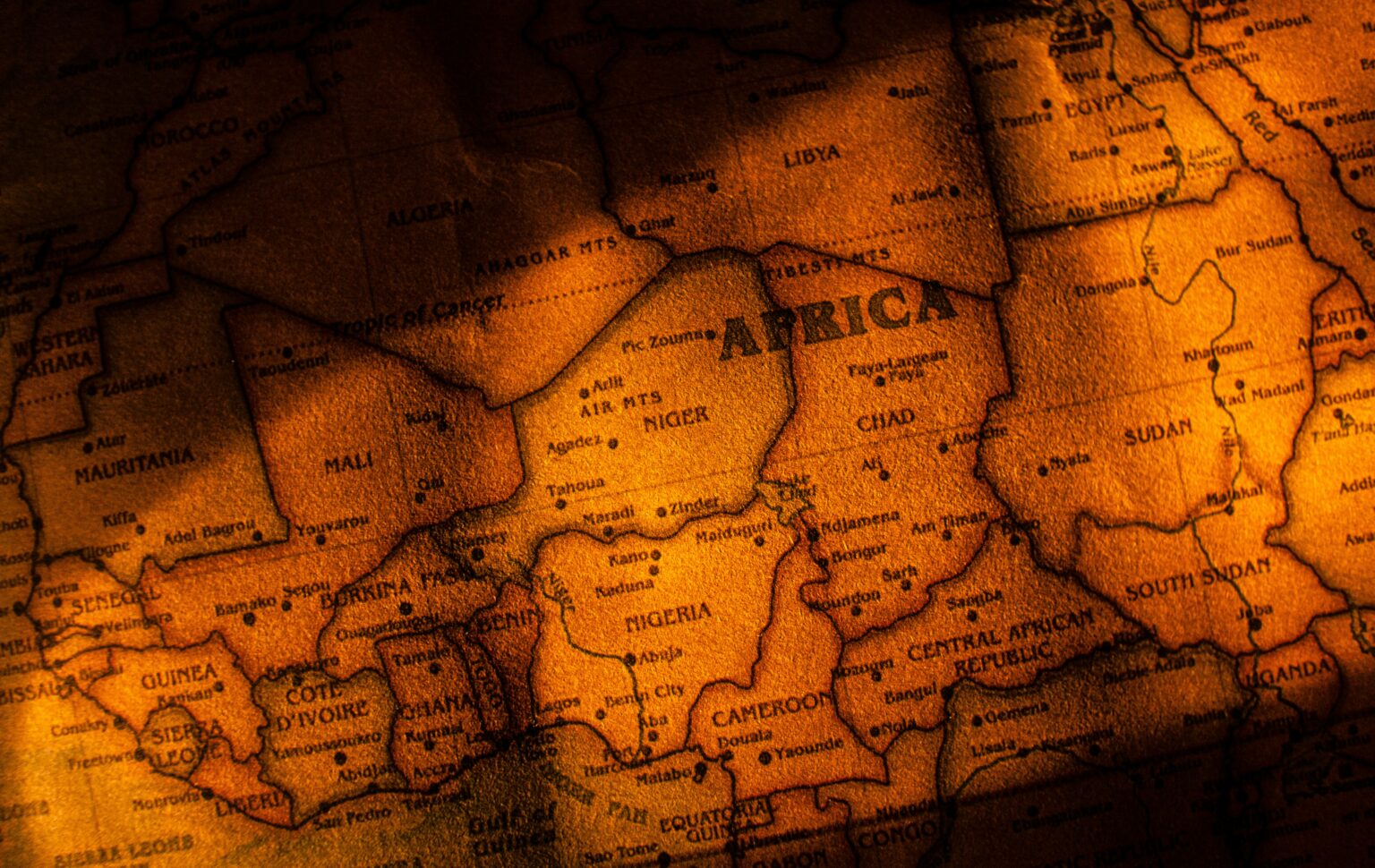
Alkebulan vs Africa: Understanding the original name of Africa
The continent known today as Africa carries a name imposed by foreign powers. Crucially, this label supplanted an older, indigenous name of profound meaning.
That forgotten name is Alkebulan. This singular term represents far more than a simple geographical marker.
Furthermore, it embodies a deep connection to history, spiritual heritage, and an uncolonized identity.
This authoritative guide unveils the true history of Alkebulan. It examines its etymological roots, chronicles its systematic erasure by colonial cartography, and details the ongoing, vital movement to reclaim this powerful name.
Consequently, understanding Alkebulan is a key step toward true cultural decolonization and intellectual self determination.
The name is often spelled Alkebu lan, emphasizing its linguistic structure. This guide, however, focuses on the widely recognized form Alkebulan.
Specifically, it offers practitioner level insight into a history intentionally relegated to the margins of Western education.
The Profound Meaning and Indigenous Origin of Alkebulan
Alkebulan is widely considered the oldest name used by the people of the continent themselves. Most importantly, it is an indigenous name, not one bestowed by outside explorers, conquerors, or traders. Conversely, the name Africa has external roots, as discussed later.
Etymology: The Mother of Mankind and Garden of Eden
The etymology of Alkebulan offers powerful, evocative meanings. Consequently, two primary interpretations dominate scholarly discussion and cultural discourse.
The first and most popularized translation is “Mother of Mankind” or “The Garden of Eden.” This interpretation aligns perfectly with archaeological and anthropological findings.
Specifically, it acknowledges the continent as the undisputed cradle of human civilization and the origin point for the species. This naming convention is therefore a spiritual act of self recognition, rooted in the land’s sacred status.
The second interpretation provides fascinating linguistic depth. Certain scholars, drawing on Kemetic language and history, analyze the name as a composite word. Here, “Alkebu” or “Alkebu lan” translates to “Land of the Blacks.” Furthermore, the suffix “lan” is an ancient term for land or country.
The Senegalese historian, Dr. Cheikh Anta Diop, a major proponent of this view, linked it to the ancestral languages of the Nile Valley. This interpretation directly counters Eurocentric narratives.
Specifically, it places the concept of Black civilization at the center of the continent’s identity from antiquity.
Alkebulan Versus Roman Africa: A Naming Conflict
The competing names reveal a historical power struggle. Specifically, the Roman name, Africa, began as a limited, regional designation. The Romans applied it only to the area around Carthage, roughly modern day Tunisia.
The term likely derives from the Afri tribe, a Berber group residing in that North African region.
Historically, the name *frica did not refer to the entire landmass.
It merely described a province of the Roman Empire. By contrast, Alkebulan represented a self designated, holistic identity for the entire continent.
This indigenous perspective viewed the land as a unified whole, a single garden, long before European interests imposed a continental boundary and name.

The Systematic Erasure of an Indigenous Name
The disappearance of Alkebulan from global maps and common knowledge was not accidental. Instead, it was a deliberate, two part process tied to European exploration and, later, formal colonization.
Thevet’s Cartographic Witness in 1575
Crucially, Alkebulan was a known name in Europe, at least for a period. French cosmographer André Thevet documented the name. His 1575 work, La Cosmographie Universelle, included the name in the legend of his map of the continent.
This mention serves as a powerful historical marker. It proves European mapmakers were aware of the indigenous designation.
However, European cartography had a specific agenda. Their maps were not tools of local recognition. They were instruments of geopolitical claim and control.
Therefore, as European power expanded, their own term, *Africa*, had to expand with it. Consequently, the Roman name, a colonial relic, was weaponized to encompass the entire landmass.
The Colonial Cartography Campaign
The true erasure occurred during the Age of Exploration and the subsequent Scramble for Africa in the late 19th century. European empires carved up the continent.
They standardized the name Africa on all official maps, textbooks, and international documents. This process was a psychological act.
- Universalization: European powers insisted on using a single, foreign term. They completely disregarded the rich tapestry of local and continental names.
- Decontextualization: The name *Africa* lacked any spiritual or historical connection for the indigenous peoples. Its adoption severed the population’s link to the ancient, self affirming name Alkebulan.
- Power Imposition: Naming is an exercise of power. The act of renaming the continent asserted European political and intellectual dominance over the land and its history.
Ultimately, the name *Africa* was permanently etched onto the world consciousness. Alkebulan became a whispered memory, confined to the traditions of certain families, oral histories, and select academic circles.
This strategic erasure was extremely successful. Most people today have never encountered the name Alkebulan.

Beyond Alkebulan: The Rich Tapestry of Ancient Names
The name Alkebulan stands out as the most widely cited continental term of indigenous origin.
However, the precolonial era boasted a wealth of names for various regions, kingdoms, and the continent itself. These names further highlight the foreign nature of the term Africa.
Historically, different groups used various names for the continent, often describing a specific region or a characteristic of the land or people. These include the following examples.
Kemet and Kush
The Nile Valley civilizations provide powerful alternatives. Kemet, meaning “Black Land,” was the ancient name for Egypt. This name celebrated the rich, dark, fertile soil along the river. Kush, an equally powerful empire to the south of Kemet, also contributed a major continental designation.
Scholars often reference these names to discuss a connected, riverine civilization that spanned millennia.
Azania and Ethiopia
The name Azania referred to a section of the southeast African coast. Specifically, Greek and Roman sailors used this name for the trading ports stretching from Somalia down to Tanzania.
Furthermore, the name Ethiopia, meaning “land of burnt faces,” was a Greek term. It was used to describe the peoples residing south of Egypt, often denoting Black populations more generally.
Libya and Corphye
Greeks, prior to Roman dominance, used the name Libya to designate the vast northern areas west of the Nile. Corphye and Ortigia were other terms found in ancient records.
Consequently, the sheer number of ancient names underscores a fundamental truth. No single, externally applied name ever held sway across the entire landmass until the colonial period.
Alkebulan remains unique because it is asserted as an *internal* term meant to describe the whole continent.
The Scholarly Fight for Reclamation: Reasserting Identity
The movement to reclaim the name Alkebulan is deeply intertwined with Pan Africanism and cultural nationalism. Specifically, it is not merely a linguistic preference. It represents a call for spiritual, intellectual, and cultural decolonization.
The Vision of Dr. Cheikh Anta Diop
Senegalese historian, anthropologist, and physicist Dr. Cheikh Anta Diop is a pivotal figure in this reclamation. His seminal work challenged Eurocentric views of African history and civilization.
Dr. Diop passionately argued for the African origin of civilization, centering the importance of Kemet, or ancient Egypt. Furthermore, he explicitly championed the name Alkebu lan in his writings, including *The Kemetic History of Afrika*.
For Dr. Diop, adopting the indigenous name corrects historical memory. It provides a foundation for the unified, uncolonized African identity he envisioned.
The Advocacy of Dr. John Henrik Clarke
Another major scholar, Dr. John Henrik Clarke, strongly advocated for the name Alkebulan. He and other Afrocentric thinkers saw the name as a necessary step in cognitive liberation.
Dr. Clarke often emphasized the importance of self naming as a prerequisite for self respect and sovereignty. He believed that accepting a name given by oppressors meant accepting the colonizer’s historical narrative.
Therefore, reclaiming Alkebulan represents an act of sovereign self definition.
The Decolonization of Consciousness
The contemporary movement uses the name to advocate for a deeper psychological shift. Today, activists and educators utilize the term Alkebulan to promote cultural revival and institutional reform.
The argument is simple yet powerful: true independence requires intellectual freedom from colonial influence.
This freedom begins with rejecting imposed identity and embracing one’s own ancient nomenclature.
Furthermore, the name Alkebulan is often discussed in circles promoting a unified Africa, a political and economic goal known as the United States of Africa.

The Cultural and Spiritual Significance of Reclaiming Alkebulan
Reclaiming Alkebulan is a strategic move for cultural integrity and future building. Its significance stretches beyond history and geopolitics; it touches the core of African spirituality and cultural memory.
Healing the Historical Trauma
The erasure of an indigenous name is a form of historical trauma. This is particularly true when the imposed name carries no meaning for the people who live there. Embracing Alkebulan is an act of healing.
It validates the ancestors and their self understanding of the land. Furthermore, it rejects the colonial legacy that sought to diminish or annihilate indigenous knowledge systems.
A Name for Continental Unity
The Pan African movement views Alkebulan as a unifying force. Many African countries gained political independence in the mid 20th century. However, the borders and the continental name remain colonial constructs.
Therefore, Alkebulan offers a neutral, indigenous alternative. It is a shared name that transcends the divisions of colonial borders and the legacies of European languages like English, French, and Portuguese.
Consider the power of an entire continent agreeing on a name that means “Mother of Mankind.” This common identity grounds all continental political projects in an indigenous worldview.
Consequently, it shifts the focus away from external definitions of African identity. This approach fosters cooperation and solidarity.
Alkebulan in Contemporary Culture and Education
Today, the name is being intentionally reinserted into various cultural spaces. Artists, musicians, and filmmakers utilize the name in their work. Educational institutions are beginning to include its history in their curricula.
Specifically, this renewed focus ensures that younger generations understand the ancient, self designated name of their homeland.
A scholarly journal, *Alkebulan: A Journal of West and East African Studies*, further validates the term within the academic community.
This is a foundational act of knowledge reclamation. It ensures that the true narrative, predating conquest, survives and thrives.
Furthermore, it empowers African people worldwide to anchor their identity in an ancient, meaningful, and self defined heritage.
Conclusion: The Future of a Name
The history of the name Alkebulan is a microcosm of the entire colonial experience. It tells a story of indigenous sovereignty, external imposition, and eventual erasure. Crucially, its rediscovery signals a powerful, ongoing movement toward decolonization.
Alkebulan means “Mother of Mankind” or “The Garden of Eden.” Conversely, Africa is a name rooted in a small Roman province. The choice between these names is profound. It represents a choice between an imposed colonial identity and a self defined, ancient, and powerful heritage.
The reclamation movement will continue to gain momentum. Consequently, we must recognize the importance of names in shaping destiny and consciousness.
Learning about Alkebulan is more than a history lesson. It is an act of intellectual liberation. It allows the world to acknowledge the rightful, indigenous name of the planet’s most significant continent.