
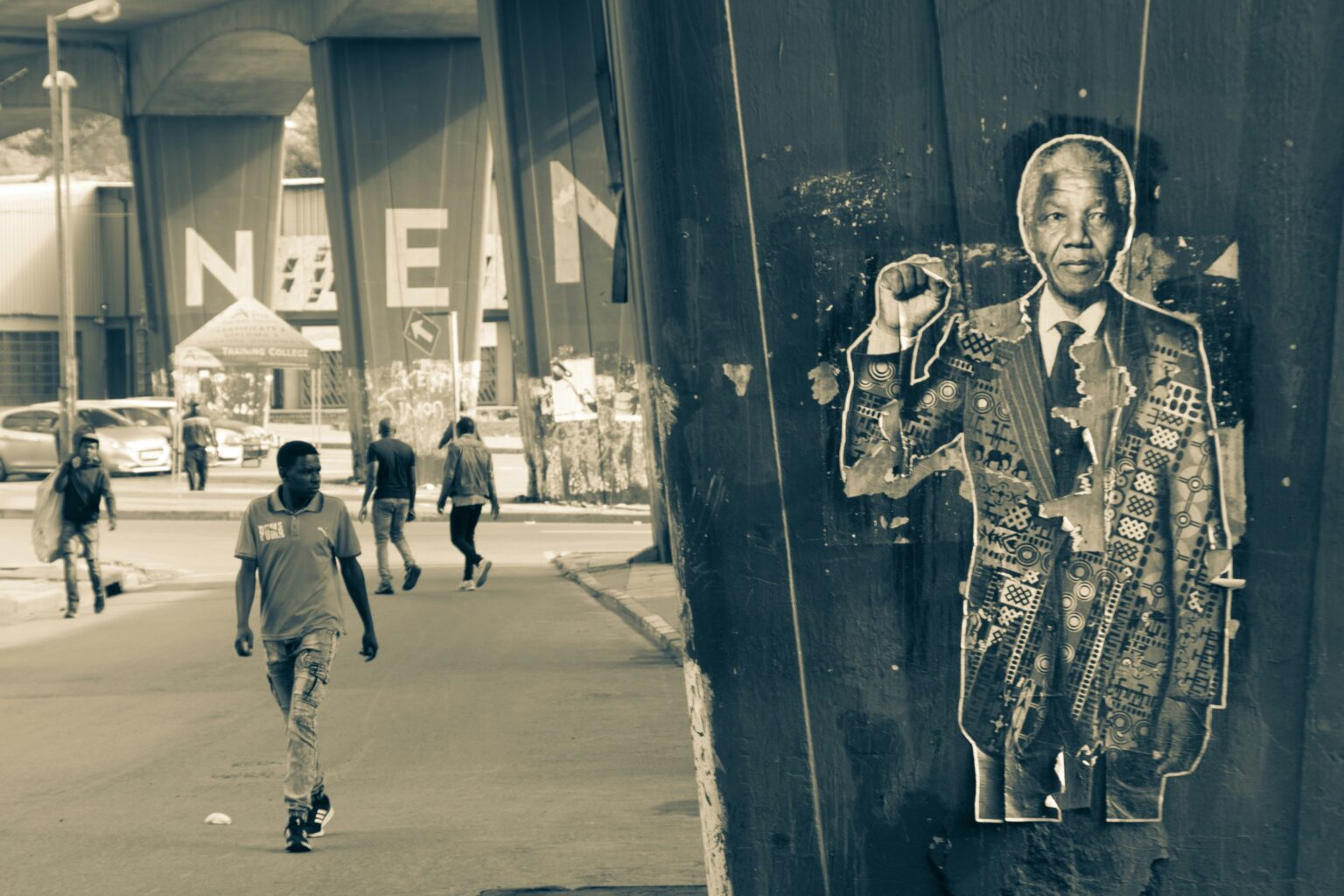
Learn about the history of Nelson Mandela of his 27 years in Prison that changed South Africa Forever
Nelson Rolihlahla Mandela stands as one of history’s most compelling figures. He spent 27 grueling years in an apartheid prison system. Crucially, his incarceration did not silence him. Instead, it magnified his voice on the world stage, transforming him into the undisputed moral compass of the anti apartheid movement.
The story of those 10,052 days in captivity is not simply a tale of endurance. Rather, it is the definitive blueprint for South Africa’s democratic future. His long walk to freedom became a catalyst, forcing the dismantlement of a deeply entrenched racist state.
This exhaustive guide chronicles the three distinct phases of his imprisonment. Furthermore, it details how the international community amplified his struggle, ensuring his ordeal ultimately resulted in a peaceful, negotiated revolution. His suffering ultimately became South Africa’s salvation.
The Rivonia Trial and The Long Sentence
Nelson Mandela was first arrested in 1962. He was already a prominent leader in the African National Congress, or ANC. Previously, he cofounded the ANC Youth League, moving the organization toward a more direct form of political protest.
Following the 1960 Sharpeville Massacre, the ANC was banned, and Nelson Mandela moved underground. He cofounded Umkhonto we Sizwe, or MK, the ANC’s armed wing. He understood that nonviolent protest alone had failed against the regime’s increasing brutality.
Nelson Mandela’s arrest came after 17 months in hiding. Subsequently, the pivotal event was the Rivonia Trial of 1963 and 1964. He and several comrades faced charges of sabotage and conspiracy to violently overthrow the government.
This trial provided Nelson Mandela with a global platform.
He used his position to deliver a famous, four hour speech from the dock. He defended the use of armed struggle as a necessary response to state violence. He concluded his speech with a powerful declaration. He stated he was prepared to die for the ideal of a democratic and free society.
This declaration became an iconic rallying cry for global resistance.
The court sentenced him to life imprisonment in June 1964. His sentence began the long, arduous journey that would define his legacy and reshape a nation.
Phase 1: Robben Island, The University of Hard Knocks (1964–1982)
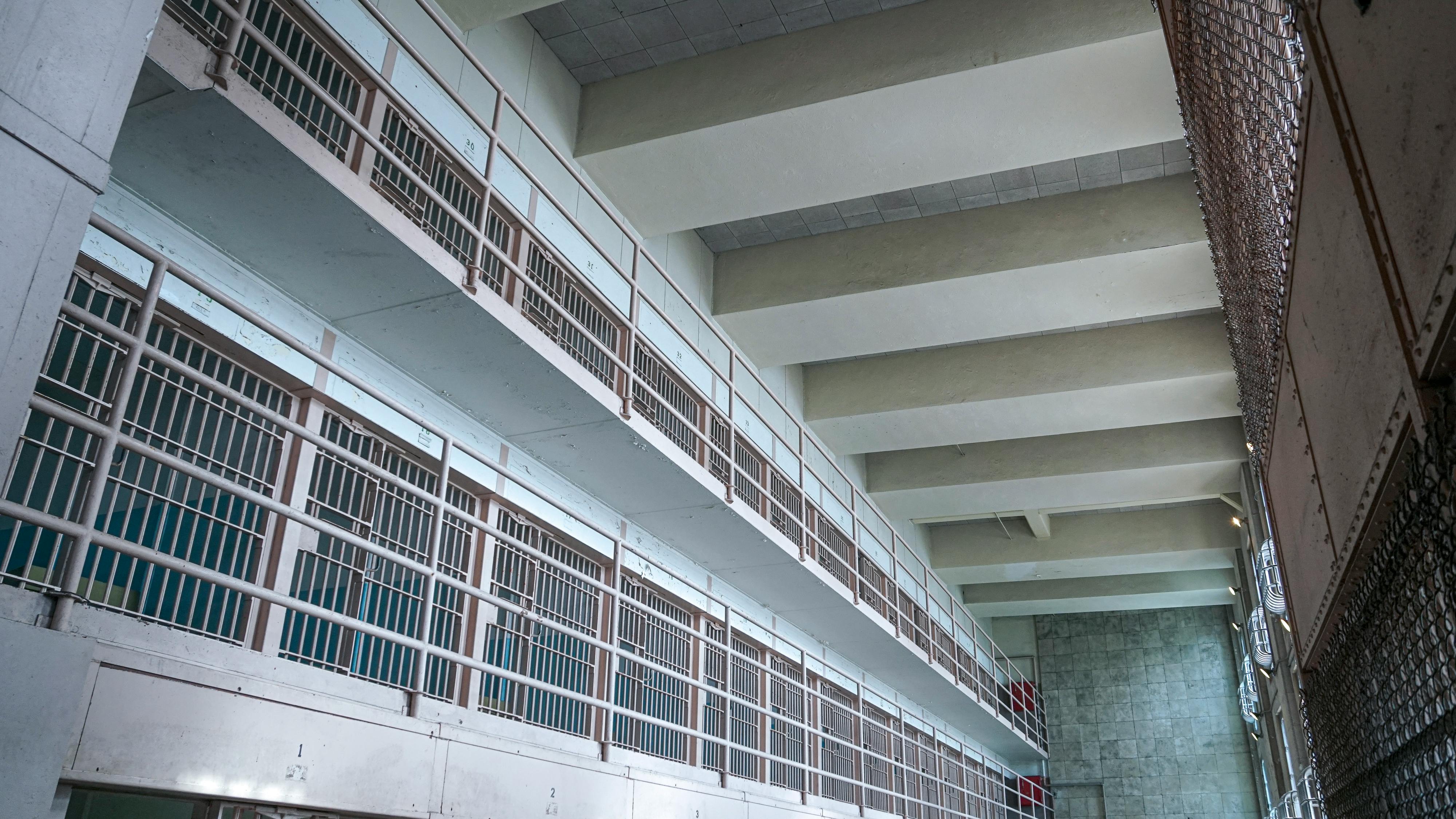
Nelson Mandela spent the first 18 years of his sentence in the maximum security section of Robben Island. This remote prison island, located seven miles off the coast of Cape Town, was intended to break the spirit of political opponents.
Crucially, the harsh environment and oppressive conditions served a deliberate political purpose. The apartheid regime sought to erase the leaders from memory.
Life in the B Section Cell
Nelson Mandela was confined to a tiny cell in the B Section of the prison. The cell measured approximately 8 feet by 7 feet. It contained only a sleeping mat, a bucket for a toilet, and a meager amount of water. This single, cold space became his entire world for nearly two decades.
He was prisoner number 466/64, a number that stripped him of his name and identity. This dehumanization was a constant psychological attack.
Furthermore, communication was severely restricted. Initial regulations allowed political prisoners only one letter and one visit every six months. These letters were heavily censored, often arriving months late or not at all.
This isolation was designed to sever his ties to the outside world and the movement he led.
The Grueling Labor of the Limestone Quarry
The prisoners were subjected to backbreaking, pointless hard labor. Every day, Nelson Mandela and his comrades were marched to a limestone quarry. Their job involved chipping away at rock in the blinding sun and freezing wind. This labor caused permanent physical damage.
Specifically, the glare from the white limestone seriously damaged Mandela’s tear ducts and eyesight. He later required protective spectacles.
However, the prisoners secretly used the quarry as a classroom. Guards permitted them to discuss mundane topics like sports. They covertly studied and debated political theory, history, and strategy. They transformed their isolated prison into a crucible of intellectual activity.
This became known as the “Robben Island University.” Nelson Mandela emerged from this experience, not as a broken man, but as a seasoned philosopher and negotiator.

Phase 2: Pollsmoor Prison, The Health Crisis (1982–1988)
In 1982, Nelson Mandela was unexpectedly transferred from Robben Island to Pollsmoor Prison. This maximum security facility was located on the mainland. The move was a strategic decision by the apartheid government. They hoped to separate Nelson Mandela from his fellow ANC leaders.
They worried his presence on Robben Island was creating a centralized opposition command structure.
The Maximum Security Block
Life at Pollsmoor was physically different but equally brutal. The conditions were characterized by severe overcrowding and poor sanitation. The maximum security block was damp and poorly ventilated. The change in environment severely affected his health.
In 1988, Nelson Mandela contracted tuberculosis, a serious lung disease. This illness was a direct result of the inhumane, damp conditions within the prison walls. His hospitalization for tuberculosis proved to be a critical turning point.
Crucially, the government could not afford for Nelson Mandela to die in prison. His death would have instantly ignited a civil war and drawn irreversible international condemnation.
This health crisis forced the state to acknowledge his enduring importance. They had to treat him as a political figure, not merely a common criminal.
Phase 3: Victor Verster and Secret Negotiations (1988–1990)
Following his recovery from tuberculosis, Nelson Mandela was transferred to a private house on the grounds of Victor Verster Prison in December 1988. This move marked the beginning of his final phase of imprisonment. Conditions were significantly less restrictive. Specifically, he had his own cook and a swimming pool.
This luxurious environment was designed to isolate him from his political comrades and prepare him for secret discussions with the state.
Laying the Foundation for a New Nation
Victor Verster became the site of clandestine, high stakes negotiations. Beginning as early as 1986, but intensifying here, Nelson Mandela engaged directly with representatives of the apartheid regime. He acted without the knowledge of the African National Congress leadership in exile.
He correctly saw that the apartheid system was collapsing under internal resistance and external pressure.
Nelson Mandela insisted on a core principle: he would negotiate on behalf of the ANC, but only from a position of equality. He demanded the unconditional release of all political prisoners and the unbanning of the ANC. These secret talks established the framework for a peaceful transition.
He skillfully negotiated while remaining incarcerated, proving his mastery of diplomacy and strategy.

The Global Ripple Effect: International Pressure and Solidarity
Mandela’s long imprisonment did not happen in a vacuum. His captivity became the moral focus of a powerful international movement. Global activists and leaders understood that his release was synonymous with the dismantling of apartheid itself.
This external pressure proved decisive in hastening his freedom.
The Free Mandela Campaign
The Anti Apartheid Movement, or AAM, transformed into a global political force. The campaign to boycott South African goods gained massive traction, imposing a significant economic cost on the regime. Furthermore, international sanctions across various sectors, from finance to sports, steadily isolated South Africa.
This economic pressure weakened the government’s resolve and its ability to continue its oppressive policies.
The Wembley Concert Triumph
Crucially, the movement’s power reached its apex in 1988. On June 11, 1988, the Nelson Mandela 70th Birthday Tribute Concert was held at Wembley Stadium in London. This monumental event was broadcast to over 67 countries worldwide. Key global artists, including Stevie Wonder, Whitney Houston, and Peter Gabriel, performed.
The concert served as a massive, televised petition for his release. It brought the call for Mandela’s freedom to an estimated one billion people globally.
The event established Mandela as the world’s most famous political prisoner, a status that no regime could ignore.
The Long Walk to Freedom (February 11, 1990)
The internal and external pressures proved too much for the apartheid state. On February 2, 1990, President F W de Klerk announced the unbanning of the ANC and other political organizations. He also declared Mandela would be released soon.
The announcement shocked the world. Nine days later, on February 11, 1990, Nelson Mandela walked out of Victor Verster Prison. He was 71 years old.
The First Speech of a Free Man
A massive, jubilant crowd greeted him outside the prison gates. Flanked by his wife, Winnie Madikizela Mandela, he addressed the nation and the world from the balcony of Cape Town City Hall. He stood before the crowd not as a prophet, but as a servant of the people.
His words were a call for peace, yet they were also a firm restatement of the ANC’s political position. He emphasized that while he was committed to a negotiated settlement, the armed struggle had not yet ended.
He understood the need to maintain pressure on the regime while simultaneously extending a hand of reconciliation.
He famously declared that his release was not the end of the struggle, but rather a point on the long road to freedom. He immediately plunged into negotiations with the de Klerk government.
They were to be his partners in creating a nonracial democracy.

The Final Transformation: Prisoner to President
Mandela’s two years following his release were a whirlwind of diplomacy, negotiation, and domestic bridge building. He worked tirelessly alongside F W de Klerk to dismantle the legal framework of apartheid.
This process was fraught with violence and political tension. However, the two leaders persevered. For their efforts, they were jointly awarded the Nobel Peace Prize in 1993.
The ultimate vindication of Mandela’s 27 year imprisonment came in 1994. South Africa held its first fully democratic, nonracial election. Nelson Mandela was elected the country’s first black president.
His presidency, built on a platform of forgiveness and reconciliation, prevented a civil war. He prioritized healing the country’s deep racial divisions through the establishment of the Truth and Reconciliation Commission.
The man who had been condemned to die in prison became the nation’s father figure.
The Enduring Legacy of 466/64
Nelson Mandela’s 27 years in prison were the forge that produced a global icon. He entered prison as a revolutionary leader. He emerged as a statesman with unparalleled moral authority. His suffering provided a moral clarity that transcended race, politics, and nationality.
His story taught the world that true freedom often requires immense personal sacrifice. His legacy continues to inform global human rights efforts.Mandela joins other African Freedom Fighters that are looked up upon till this day.
The experience of his long imprisonment fundamentally altered South Africa’s history. It transformed the nation from an international pariah state into a beacon of democracy and reconciliation.
Mandela’s time behind bars was not a period of silence. Instead, it was an extended, profound act of leadership that changed South Africa forever.
He remains the most powerful symbol of resilience in the modern age. His life proves that moral integrity can ultimately overcome the greatest injustice.